

England Nhs
SuivreAperçu
-
Date de création 3 février 1909
-
Secteurs d’activité Services
-
Emplois Postés 0
Description de l’entreprise
NHS: Belonging in White Corridors
In the sterile corridors of Birmingham Women’s and Children’s NHS Foundation Trust, a young man named James Stokes navigates his daily responsibilities with subtle confidence. His smart shoes move with deliberate precision as he exchanges pleasantries with colleagues—some by name, others with the familiar currency of a “good morning.”
James carries his identification not merely as a security requirement but as a testament of acceptance. It hangs against a neatly presented outfit that betrays nothing of the difficult path that led him to this place.

What distinguishes James from many of his colleagues is not obvious to the casual observer. His bearing reveals nothing of the fact that he was among the first participants of the NHS Universal Family Programme—an initiative designed specifically for young people who have spent time in care.
“I found genuine support within the NHS structure,” James reflects, his voice controlled but revealing subtle passion. His observation summarizes the core of a programme that aims to transform how the vast healthcare system approaches care leavers—those frequently marginalized young people aged 16-25 who have graduated out of the care system.
The numbers tell a troubling story. Care leavers commonly experience poorer mental health outcomes, money troubles, accommodation difficulties, and lower academic success compared to their age-mates. Beneath these cold statistics are human stories of young people who have traversed a system that, despite genuine attempts, frequently fails in offering the supportive foundation that shapes most young lives.
The NHS Universal Family Programme, launched in January 2023 following NHS England’s commitment to the Care Leaver Covenant, represents a significant change in institutional thinking. At its heart, it acknowledges that the complete state and civil society should function as a “universal family” for those who haven’t known the constancy of a conventional home.
Ten pioneering healthcare collectives across England have blazed the trail, establishing structures that reconceptualize how the NHS—one of Europe’s largest employers—can open its doors to care leavers.
The Programme is meticulous in its methodology, initiating with detailed evaluations of existing procedures, creating oversight mechanisms, and garnering executive backing. It understands that successful integration requires more than noble aims—it demands concrete steps.
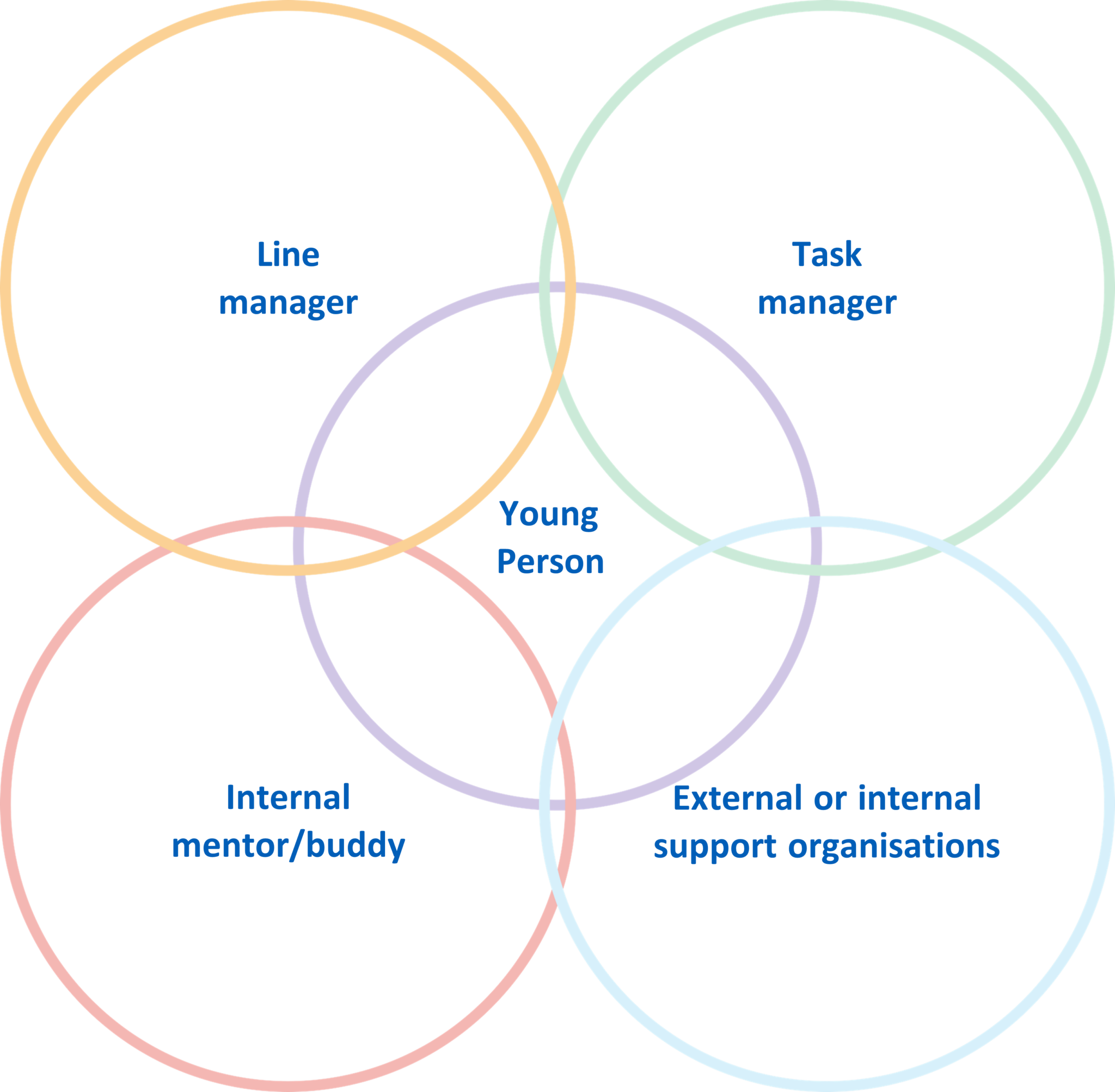
In NHS Birmingham and Solihull ICB, where James began his journey, they’ve developed a consistent support system with representatives who can deliver assistance and counsel on personal welfare, HR matters, recruitment, and EDI initiatives.
The standard NHS recruitment process—formal and potentially intimidating—has been carefully modified. Job advertisements now highlight character attributes rather than numerous requirements. Application processes have been reimagined to address the specific obstacles care leavers might face—from missing employment history to having limited internet access.
Perhaps most significantly, the Programme recognizes that starting a job can present unique challenges for care leavers who may be handling self-sufficiency without the support of parental assistance. Issues like transportation costs, personal documentation, and banking arrangements—considered standard by many—can become substantial hurdles.
The beauty of the Programme lies in its thorough planning—from outlining compensation information to providing transportation assistance until that crucial first payday. Even apparently small matters like break times and office etiquette are deliberately addressed.
For James, whose NHS journey has “changed” his life, the Programme offered more than a job. It provided him a perception of inclusion—that intangible quality that develops when someone senses worth not despite their past but because their particular journey improves the workplace.
“Working for the NHS isn’t just about doctors and nurses,” James comments, his gaze showing the modest fulfillment of someone who has discovered belonging. “It’s about a collective of different jobs and roles, a group of people who genuinely care.”
The NHS Universal Family Programme represents more than an employment initiative. It functions as a powerful statement that systems can evolve to include those who have experienced life differently. In doing so, they not only alter individual futures but enrich themselves through the special insights that care leavers bring to the table.
As James navigates his workplace, his presence silently testifies that with the right help, care leavers can succeed in environments once deemed unattainable. The support that the NHS has offered through this Programme symbolizes not charity but acknowledgment of hidden abilities and the essential fact that all people merit a community that believes in them.